
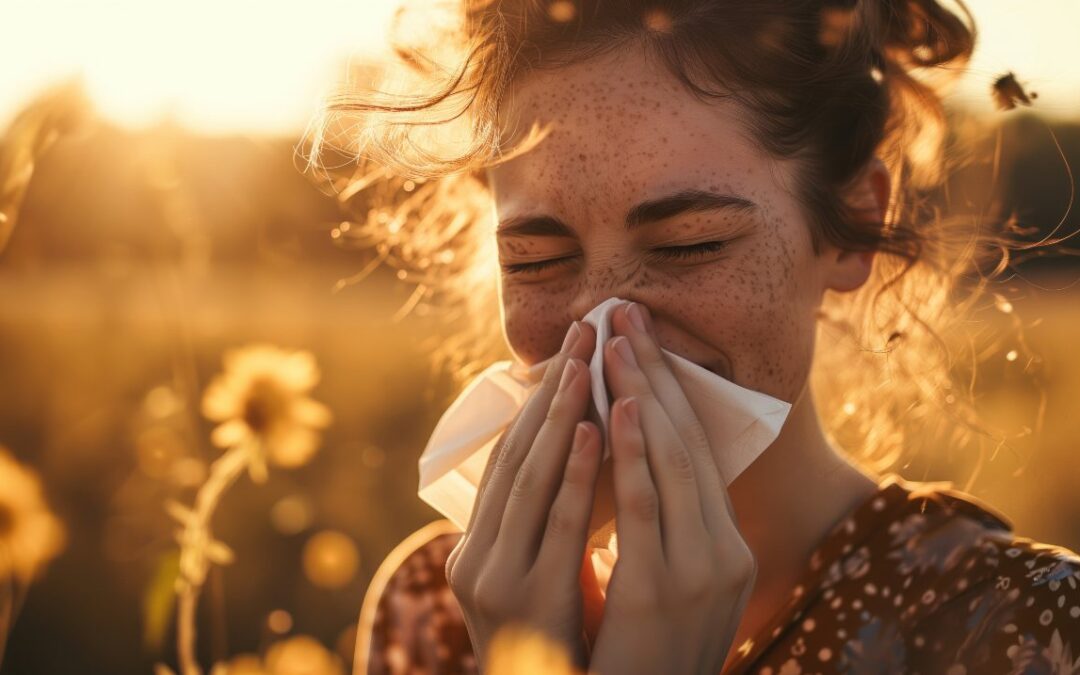
If you live in Huntsville, you already know that allergy season is not just a season. It can feel like a year-round event. The unique geography, climate, and plant life of North Alabama create the perfect environment for allergens to thrive, especially throughout the Tennessee Valley. At Innova Primary Care, we see firsthand how allergies affect families across Madison County, from school-aged children to retirees enjoying the outdoors.
Understanding why allergies are so common here and how to manage them can make a big difference in how you feel day to day.
Why Allergies Are So Common in the Tennessee Valley
The Tennessee Valley’s natural beauty is part of the problem when it comes to allergies. Huntsville sits in a basin surrounded by hills and waterways, which allows pollen and other airborne allergens to settle and linger instead of dispersing quickly. Warm temperatures arrive early in the spring and often extend well into the fall, creating a long growing season for trees, grasses, and weeds.
Humidity also plays a major role. Moist air encourages mold growth outdoors and even inside homes, especially during Alabama’s hot summers. That combination of pollen, mold spores, and stagnant air can trigger persistent symptoms for many residents.
Because of this environment, allergy seasons tend to overlap rather than occur in neat phases. Many people feel like they never truly get a break.
The Most Common Allergens Affecting Madison County Residents
Different allergens dominate at different times of year, but in North Alabama, several are especially problematic.
Tree pollen is one of the earliest triggers. Cedar, oak, maple, and pine begin releasing pollen as early as late winter. Many residents notice symptoms starting in February, long before they expect “spring allergies.”
Grass pollen becomes more active as temperatures rise. Lawns, fields, and greenways around Huntsville contribute to high pollen counts throughout late spring and summer. Even routine yard maintenance can stir up allergens.
Weed pollen, particularly ragweed, becomes the main culprit in late summer and fall. Ragweed is incredibly potent and can travel for miles, meaning even people who do not live near open land can still be affected.
Mold spores are another major concern in this region. Fallen leaves, damp soil, and high humidity create ideal conditions for mold growth almost year-round. After heavy rains, many patients report sudden worsening of symptoms.
Indoor allergens such as dust mites and pet dander can compound the issue, especially since we rely heavily on air conditioning during long, hot summers, keeping allergens circulating inside the home.
How Local Allergies Impact Daily Life
Allergies are more than just a nuisance. For many people in Madison County, they interfere with sleep, work productivity, school performance, and overall quality of life.
Common symptoms include nasal congestion, sinus pressure, sneezing, itchy eyes, headaches, and fatigue. Some patients also experience chronic cough, worsening asthma, or recurring sinus infections. Because these symptoms can persist for months, people may assume they have frequent colds when allergies are actually the root cause.
Children may struggle to focus in school due to constant congestion or poor sleep. Adults often notice reduced energy levels and difficulty concentrating. Even outdoor activities that make Huntsville such a great place to live can become challenging during peak pollen times.

Why Allergy Seasons Feel Longer Here
Unlike regions with a short pollen season followed by relief, North Alabama experiences environmental allergens year-round. As tree pollen declines, grass pollen ramps up. As grass slows down, weeds take over. Mold can remain present throughout all of it.
Mild winters also mean plants bloom earlier and stay active longer. Temperature swings, which are common here, can trigger multiple pollen releases in a single season, intensifying symptoms.
This extended exposure can cause inflammation to build over time, making allergies feel progressively worse each year if not properly managed.
Recognizing When Allergies Need Medical Attention
Many people try to power through allergy symptoms, assuming they are simply part of living in the Tennessee Valley. However, untreated allergies can lead to complications such as chronic sinusitis, ear infections, sleep disruption, and worsening respiratory conditions.
If symptoms last more than a few weeks, interfere with daily activities, or return year after year, it is time to seek evaluation. Persistent fatigue, facial pressure, and recurring illness are signs that your body is dealing with more than occasional irritation.
At Innova Primary Care, we work closely with patients to identify patterns, triggers, and the most effective treatments based on their lifestyle and medical history.
Practical Ways to Reduce Exposure in Huntsville’s Environment
While you cannot eliminate pollen from the Tennessee Valley, small adjustments can significantly lower exposure.
Keeping windows closed on high-pollen days helps prevent allergens from settling indoors. Using high-quality air filters and changing them regularly can reduce the number of circulating particles in your home. Showering after spending time outside removes pollen from your skin and hair, preventing it from spreading to furniture and bedding.
Monitoring local pollen counts can also help you plan outdoor activities more comfortably. Many residents find that early morning and windy afternoons are peak exposure times.
Consistency with these habits is key because allergies here are rarely triggered by a single exposure. Instead, they build gradually over time.
Treatment Options That Make a Difference
Effective allergy care often involves a combination of prevention, symptom management, and long-term strategies tailored to each patient.
Over-the-counter medications can help some individuals, but many residents need a more personalized approach due to the intensity and duration of local allergy seasons. Prescription therapies, nasal treatments, and targeted plans can significantly reduce inflammation and prevent symptoms from escalating.
At Innova Primary Care, we focus on identifying what works best for each individual rather than offering one-size-fits-all solutions. Because every patient’s triggers and immune response are different, treatment should reflect that.
Supporting Overall Health During Allergy Season
Allergies do not just affect the nose and eyes. They influence the entire body. Chronic inflammation can impact sleep quality, energy levels, and immune resilience.
Staying hydrated helps thin mucus and reduce congestion. Maintaining a balanced diet supports immune function. Prioritizing sleep allows the body to recover from constant exposure to allergens. These foundational habits can make medical treatments even more effective.
Many people are surprised to learn how much better they feel when allergy management becomes part of their overall wellness routine rather than something they address only when symptoms flare.

Living Well in the Tennessee Valley Despite Allergies
Huntsville’s outdoor lifestyle, vibrant neighborhoods, and scenic surroundings are worth enjoying, even if allergies try to get in the way. With the right knowledge and support, most people can dramatically reduce symptoms and reclaim their comfort.
Understanding the environmental factors unique to Madison County allows for smarter prevention and earlier treatment. Instead of reacting to symptoms each year, patients can take proactive steps to stay ahead of them.
At Innova Primary Care, our goal is to help you feel your best in every season so you can fully enjoy life in North Alabama without constant frustration from allergies.
If you have been struggling with persistent symptoms, please reach out to us at Innova Primary Care. We can provide a personalized evaluation to help you towards lasting relief. You do not have to accept allergies as a normal part of living in the Tennessee Valley. With expert guidance and a plan designed for this region, you can breathe easier all year long.




 About
About About
About About
About About
About About
About About
About About
About About
About About
About About
About








 About
About