
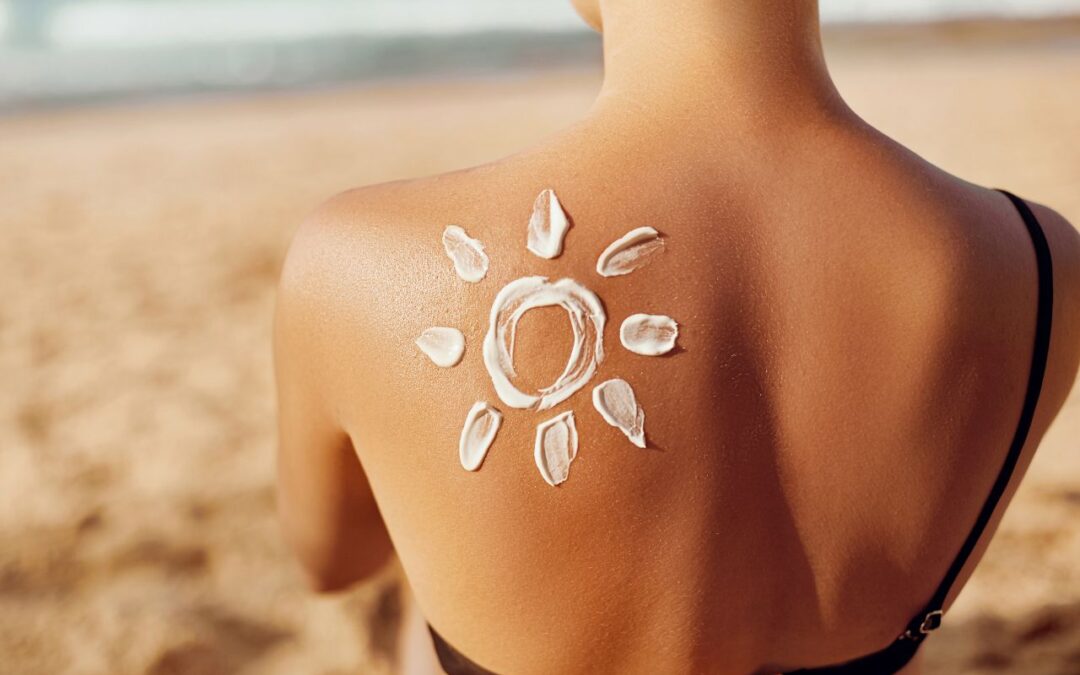
When most people think about sun protection, they picture a hot summer day, a trip to the beach, or spending hours outside by the pool. But protecting your skin from the sun is not just a summer responsibility. Your skin is exposed to ultraviolet (UV) radiation throughout the year, even when temperatures are cool, the sky is cloudy, or you are not spending much time outdoors.
At Innova Primary Care, we believe taking care of your skin should be part of your overall approach to good health. A simple, consistent skin care routine can help protect against premature aging, sunburn, and the long-term effects of UV exposure, including skin cancer.
Why Sun Protection Matters All Year
The temperature outside does not determine how much UV radiation reaches your skin. UV rays can be present on sunny, cloudy, hot, and cool days. Even on our dark, cold North Alabama winter days, UV rays are still present and affect our skin. While UV exposure can be stronger during the summer months, your skin can still receive significant exposure during the rest of the year.
There are two types of UV radiation that are particularly important for skin health: UVA and UVB rays. UVB rays are a major cause of sunburn, while UVA rays penetrate deeper into the skin and contribute to premature skin aging. Both types can contribute to skin cancer.
Clouds also do not completely block UV radiation. In fact, you can get sunburned on an overcast day. Snow can reflect UV radiation as well, increasing exposure to areas such as the face and eyes. Even during the winter, UV exposure can add up over time.
That is why sun protection should be a daily habit rather than something reserved for particularly sunny or hot days.
Make Sunscreen Part of Your Daily Routine
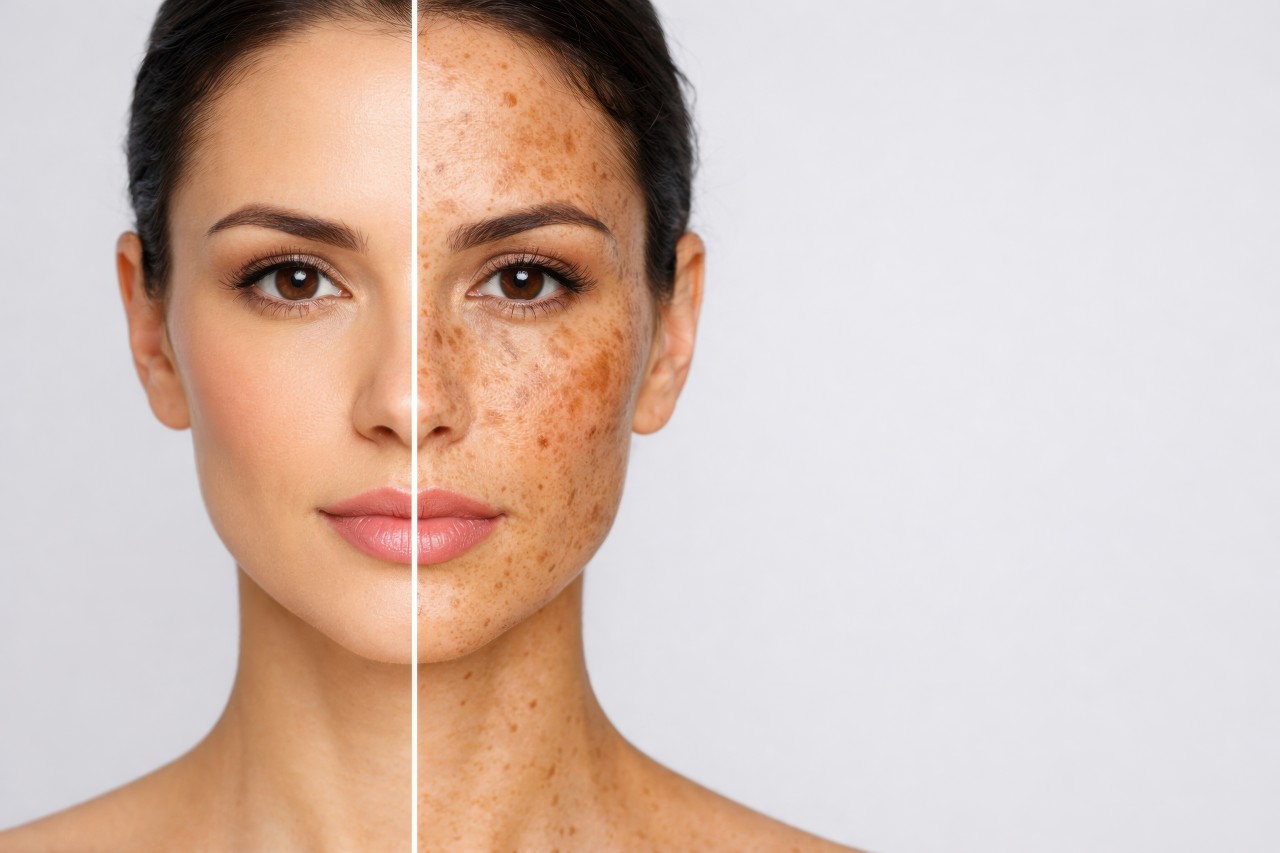
One of the simplest ways to protect your skin is to use sunscreen every day on exposed skin. Look for a broad-spectrum sunscreen, which protects against both UVA and UVB radiation.
For everyday use, choose a waterproof broad-spectrum sunscreen with an SPF of at least 30. Apply it generously to exposed areas, including your face, neck, ears, the backs of your hands, arms, legs, and chest. If you have thinning hair or a bald scalp, remember to protect your scalp as well.
Sunscreen needs to be reapplied, especially when you are spending extended time outdoors, swimming, sweating, or participating in physical activity. A morning application may not be enough for an entire day outside.
It is also important not to forget commonly missed areas. The ears, neck, lips, hands, and tops of the feet can all receive sun exposure. A lip balm with SPF can help protect your lips, while a hat can provide additional protection for your face and scalp.
Don’t Let Cooler Temperatures Fool You
One of the biggest misconceptions about sun protection is that cold weather means your skin is safe from UV exposure. The temperature may drop, but UV radiation does not disappear. Remember, the temperature has nothing to do with UV levels.
Think about the amount of time you spend outside during the fall and winter. You may walk your dog, exercise outdoors, attend sporting events, work in the yard, or simply spend time running errands. Those smaller amounts of exposure can add up over months and years.
Winter sports can also increase UV exposure. Snow reflects sunlight, which can increase the amount of UV radiation reaching your skin. If you are skiing, snowboarding, hiking, or spending a long day outdoors in cold weather, sunscreen is still important.
The same principle applies during spring. As temperatures rise, people often spend more time outdoors before they have developed the habit of applying sunscreen regularly. Establishing that routine early can help protect your skin throughout the warmer months.
Protect Your Skin Beyond Sunscreen
Sunscreen is an important part of sun protection, but it should not be your only strategy. When possible, seek shade, particularly during the middle of the day when UV exposure tends to be strongest.
Clothing can provide another layer of protection. Long sleeves, pants, wide-brimmed hats, and tightly woven fabrics can help reduce the amount of UV radiation that reaches your skin. Some clothing is also specifically designed with an ultraviolet protection factor (UPF).
Sunglasses are important, too. Choose sunglasses that block UVA and UVB rays to help protect your eyes and the sensitive skin around them.
These simple habits can make a significant difference by reducing your overall UV exposure, rather than relying entirely on sunscreen.

A Simple Daily Skin Care Routine
Protecting your skin does not have to involve a complicated routine or a cabinet full of products. For many people, a basic routine is enough.
Start with a gentle cleanser to remove dirt, oil, and other buildup without unnecessarily irritating your skin. Follow with a moisturizer appropriate for your skin type. Moisturizing helps maintain the skin’s protective barrier, which is particularly important during dry winter weather.
During the day, apply a broad-spectrum SPF 30 or higher sunscreen to exposed skin. If you will be outside for an extended period, remember to reapply it.
At night, cleanse your skin again and moisturize. This gives your skin an opportunity to maintain its natural barrier while you sleep.
If you have a specific skin concern, such as persistent dryness, unusual spots, acne, or changes in a mole, talk with your healthcare provider rather than trying to diagnose the problem yourself.
Know Your Skin and Watch for Changes
Sun protection is also about paying attention to changes in your skin. Get familiar with your freckles, moles, and other marks so you can recognize when something looks different. Learning how to perform a skin self-exam is one of the best ways to monitor changes in your skin’s health.
Watch for spots that change in size, shape, or color. A sore that does not heal, a spot that repeatedly bleeds, or a new or changing growth should be evaluated by a healthcare professional.
Regular skin checks are especially important for people who have had significant sun exposure, a history of sunburns, a personal or family history of skin cancer, or other risk factors.
Protect Your Skin as Part of Your Overall Health
Your skin is your body’s largest organ, and caring for it is part of caring for your overall health. You do not have to avoid the outdoors to protect yourself from sun damage. Instead, focus on developing consistent habits that reduce unnecessary UV exposure.
At Innova Primary Care, preventive care is an important part of helping patients stay healthy. During your routine visits, you can discuss questions or concerns about your skin, sun exposure, and overall health with your healthcare provider.
The most important thing to remember is simple: sun protection is not seasonal. Hot or cold, sunny or cloudy, UV exposure can affect your skin year-round. Making sunscreen, protective clothing, shade, and regular skin awareness part of your everyday routine can help protect your skin today and for years to come.
A few minutes of prevention each day can go a long way toward maintaining healthy skin throughout the year.





 About
About About
About About
About About
About About
About About
About About
About About
About About
About About
About









 About
About