

Strong bones are something many of us take for granted until they begin to weaken. Bone loss happens gradually over time, often without noticeable symptoms until a fracture occurs. That’s why osteoporosis is often called a “silent disease.” The good news is that building and maintaining healthy bones isn’t just about taking calcium supplements. Regular exercise, proper nutrition, and routine medical care all work together to protect bone health throughout life.
At Innova Primary Care, helping patients stay active and independent is an important part of preventive healthcare. Whether you’re a woman approaching menopause, a man over 50, or simply someone who wants to stay healthy as you age, understanding how exercise improves bone density can help you reduce your risk of osteoporosis and fractures.
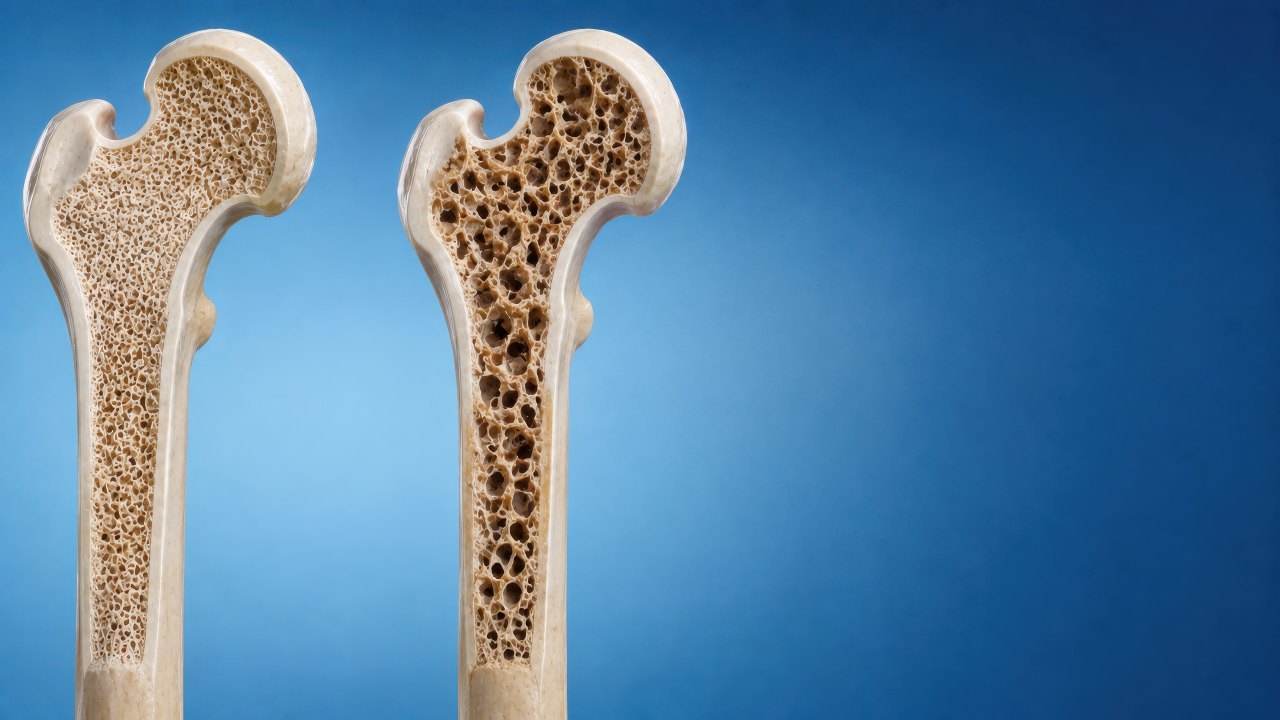
Understanding Bone Density and Osteoporosis
Bone is a living tissue that is constantly being broken down and rebuilt. During childhood and early adulthood, your body builds bone faster than it loses it, allowing you to reach peak bone mass around age 30. After that, bone breakdown gradually outpaces bone formation.
Osteoporosis develops when bones lose enough density that they become porous, weak, and more likely to fracture. Unfortunately, there aren’t many warning signs. The hips, spine, and wrists are the most common sites of osteoporotic fractures, but any bone can be affected.
Although osteoporosis is often associated with women after menopause because declining estrogen levels accelerate bone loss, men are not immune. In fact, approximately one in four men over age 50 will experience an osteoporosis-related fracture during their lifetime. Men generally start with greater bone mass than women, but bone loss still occurs with age, especially when combined with certain medical conditions, medications, smoking, excessive alcohol use, or low testosterone.
Fortunately, regular exercise is one of the most effective lifestyle tools available for preserving bone strength.
How Exercise Builds Stronger Bones
Bones respond to stress in the form of intentional exercise. When muscles pull against bones during physical activity, the body receives signals that those bones need to remain strong. Specialized bone cells respond by increasing bone formation, helping maintain or even improve bone density over time.
Not every form of exercise provides the same benefit. While activities like swimming and cycling are excellent for cardiovascular fitness, they place very little load on the skeleton and therefore have less impact on bone density.
Weight-Bearing Aerobic Exercise
Weight-bearing exercise simply means your feet and legs support your body weight while you move. These activities stimulate the bones in your hips, legs, and spine.
Examples include:
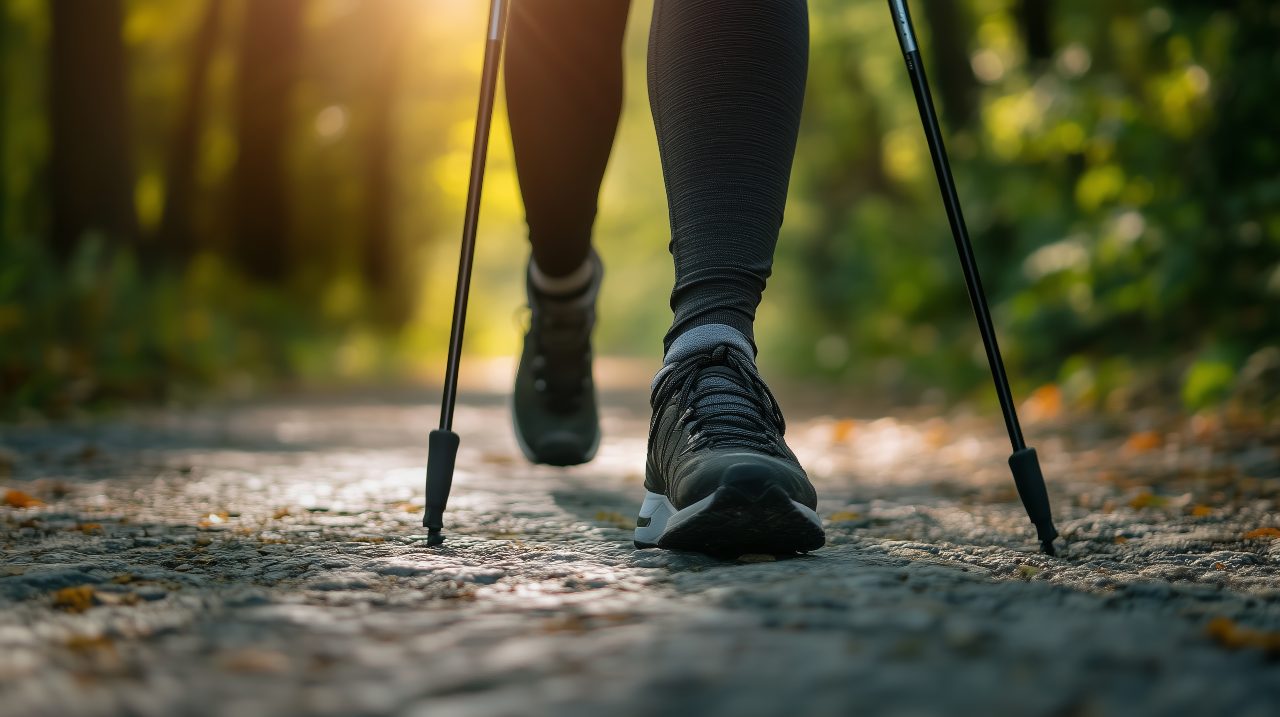
Walking remains one of the easiest and most accessible forms of exercise. A brisk 30-minute walk most days of the week can help maintain bone health while also improving cardiovascular fitness. Hiking adds the challenge of uneven terrain and gentle elevation changes, placing additional healthy stress on the skeleton.
Dancing is another excellent option because it combines weight-bearing movement with coordination and balance.
Jogging or light running may provide greater bone-building benefits for individuals who have healthy joints and no significant risk of fracture.
Sports such as pickleball, tennis, and basketball also provide weight-bearing activity while improving balance, agility, and coordination.
The key is consistency. Even moderate activity performed regularly provides long-term benefits.
Strength Training Is Essential
Resistance training is one of the most effective ways to strengthen both muscles and bones.
When muscles contract against resistance, they stimulate nearby bones to become stronger. This effect is particularly important for maintaining bone density in the hips, spine, shoulders, and wrists. Strength training can include free weights, resistance bands, weight machines, kettlebells, or even bodyweight exercises.
Some effective movements include squats, lunges, step-ups, rows, chest presses, overhead presses, and modified push-ups. You don’t have to lift extremely heavy weights to benefit. Moderate resistance performed two to three times each week is enough for many adults to improve muscle strength while supporting bone health. As strength improves, gradually increasing resistance continues to challenge both muscles and bones.
Patients who already have osteoporosis should work with their healthcare provider or physical therapist before beginning a new strength-training routine to ensure exercises are safe for their individual condition.
Balance and Stability Matter Too
Preventing fractures isn’t just about building stronger bones; it also means preventing falls.
Falls become more common as we age due to changes in muscle strength, reaction time, balance, and vision. Improving balance significantly reduces fracture risk. Activities that improve stability include Tai Chi, yoga, standing on one foot while holding onto a stable surface, heel-to-toe walking, and exercises that strengthen the core muscles.
These activities may not dramatically increase bone density on their own, but they play a valuable role in keeping people upright and independent.
Flexibility Helps Keep You Moving
Stretching won’t directly increase bone density, but maintaining flexibility helps support proper movement patterns and reduces stiffness. Gentle stretching after exercise can improve mobility and make weight-bearing activities more comfortable.
For individuals who already have osteoporosis, it’s important to avoid movements involving excessive twisting of the spine or deep forward bending, as these positions may increase fracture risk.
Nutrition Supports Exercise
Exercise works best when paired with proper nutrition.
Calcium provides the primary building block for bones, while vitamin D helps the body absorb calcium efficiently. Good calcium sources include dairy products, fortified plant-based milks, leafy green vegetables, almonds, and calcium-fortified foods.
Vitamin D is produced through sunlight exposure but is also found in fatty fish, egg yolks, fortified dairy products, and supplements when necessary.
Protein also deserves attention. Adequate protein intake helps maintain muscle mass, which supports stronger bones and reduces the risk of falls.
A balanced diet rich in fruits, vegetables, lean proteins, whole grains, and healthy fats provides many additional nutrients, including magnesium, phosphorus, and vitamin K, that contribute to bone health.
Lifestyle Habits That Protect Bones
Several everyday habits have a major impact on bone health.
Avoiding smoking is one of the best things you can do for your skeleton. Smoking interferes with bone-building cells and increases fracture risk.
Limiting alcohol intake is also important because excessive alcohol weakens bone formation and increases the likelihood of falls.
Maintaining a healthy body weight matters as well. Being significantly underweight increases osteoporosis risk because there is less mechanical stress on bones and lower estrogen production in women.
Getting enough sleep and managing chronic medical conditions also contribute to long-term bone health.
Who Should Be Concerned About Osteoporosis?
Although anyone can develop osteoporosis, certain individuals are at higher risk. Women after menopause experience accelerated bone loss due to declining estrogen levels. Men over age 65 gradually lose bone density as testosterone levels decrease.
Other risk factors include a family history of osteoporosis, previous fractures, long-term steroid use, rheumatoid arthritis, thyroid disorders, kidney disease, smoking, excessive alcohol consumption, low body weight, and inadequate physical activity.
The earlier healthy habits begin, the greater the long-term protection.
When Should You Have a Bone Density Test?
A bone mineral density test, often called a DEXA scan, measures bone strength before fractures occur. Most women should begin screening around age 65, while men may benefit from screening around age 70. However, individuals with significant risk factors may need testing earlier.
Your healthcare provider at Innova Primary Care can help determine the right screening schedule based on your personal health history, medications, and family history. Early detection allows treatment to begin before serious complications develop.
How Innova Primary Care Can Help
Protecting your bones is a lifelong investment in your health and independence. At Innova Primary Care, we work with our patients to identify osteoporosis risk factors, recommend appropriate screenings, evaluate vitamin deficiencies, discuss nutrition, and develop personalized wellness plans that support healthy aging.
Whether you’re interested in preventing osteoporosis before it starts or managing existing bone loss, regular primary care visits provide an opportunity to monitor your overall health and create a plan tailored to your needs. Exercise recommendations, medication reviews, lifestyle counseling, and preventive screenings all work together to help keep your bones as strong as possible.
Healthy bones don’t happen by accident. Through regular physical activity, balanced nutrition, preventive healthcare, and healthy lifestyle choices, both women and men can reduce their risk of osteoporosis and continue enjoying the activities they love for years to come. If you have questions about your bone health or wonder whether it’s time for a bone density evaluation, the team at Innova Primary Care is here to help you take the next step toward stronger bones and healthier aging.





 About
About About
About About
About About
About About
About About
About About
About About
About About
About About
About









 About
About