
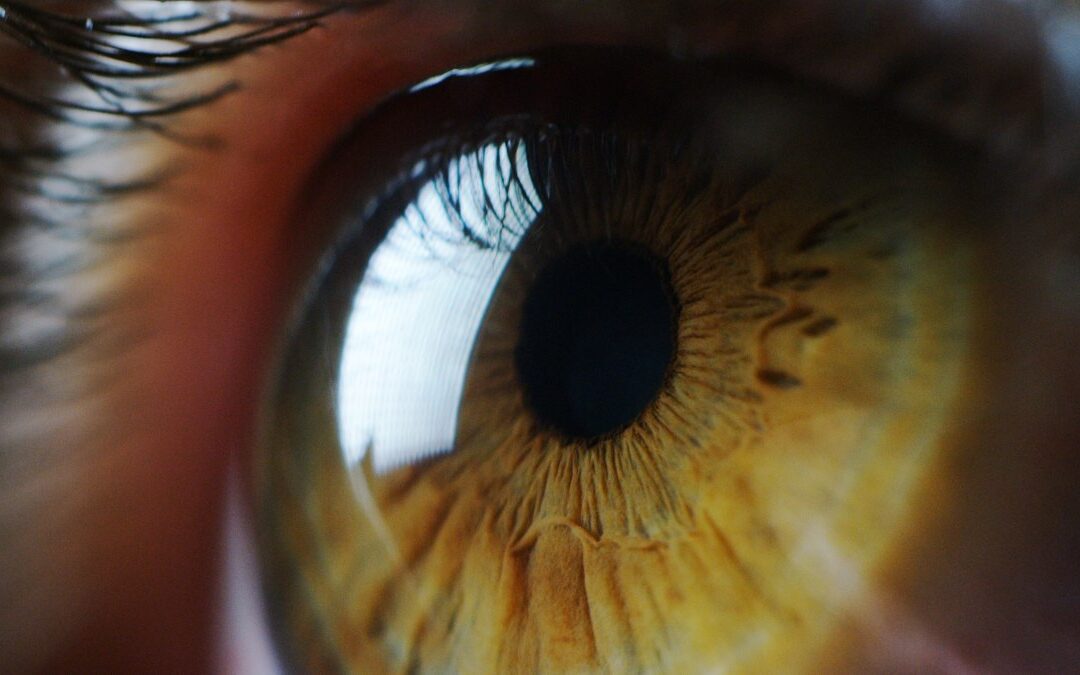
Screens are part of everyday life. We use computers at work, phones to stay connected, tablets for school, and televisions for entertainment. While digital devices make life easier in many ways, spending hours looking at a screen can leave your eyes feeling tired, dry, or irritated.
The good news is that a few simple habits can make screen time more comfortable and help reduce digital eye strain.
At Innova Primary Care, we believe eye health is an important part of your overall health. Understanding how screens affect your eyes and knowing when symptoms may require professional attention can help you take better care of your vision.

What Is Digital Eye Strain?
Digital eye strain, sometimes called computer vision syndrome, refers to a group of eye and vision problems associated with prolonged use of computers, phones, tablets, and other digital screens.
It is common and usually temporary. Symptoms can include tired or sore eyes, dryness, burning, blurred vision, headaches, difficulty focusing, and increased sensitivity to light. Some people may also experience neck or shoulder discomfort from sitting in one position or looking down at a device for long periods.
Digital eye strain doesn’t necessarily mean your eyes are being permanently damaged by screen use. Instead, it often happens because your eyes are working continuously to focus on a nearby screen. We also tend to blink less when concentrating on digital content, which can contribute to dry and irritated eyes.
Follow the 20-20-20 Rule
One of the easiest ways to give your eyes a break is to follow the 20-20-20 rule.
Every 20 minutes, look at something about 20 feet away for at least 20 seconds.
This simple habit gives your eyes a chance to relax their focus. If you spend much of your workday at a computer, consider setting a reminder on your phone or computer until taking regular breaks becomes part of your routine.
During these breaks, try actually to look away from the screen. Checking your phone during a computer break does not give your eyes much of a break because you are still focusing on a nearby digital screen. Look up and around the space you are in and give your eyes a total break from any digital devices.
Remember to Blink
Blinking may seem insignificant, but it plays an important role in keeping your eyes comfortable.
When we concentrate on a screen, we often blink less frequently, far less than when looking at a hard copy of something. This can dry the surface of the eye, which may cause burning, irritation, or a gritty feeling.
Make a conscious effort to blink regularly while working on a computer or using another digital device. Taking short breaks and looking away from the screen can also encourage normal blinking.
If your eyes frequently feel dry despite making these changes, talk with your healthcare provider or an eye care professional. In some cases, lubricating eye drops or other treatment may be appropriate.
Adjust Your Screen and Workspace
Your screen setup can make a difference in how hard your eyes have to work.
Keep your computer screen at a comfortable distance, generally about an arm’s length away. The top of the screen should be at or slightly below eye level, so you are not constantly looking upward.
Your lighting matters, too. Try to avoid placing your screen directly in front of a bright window or under lighting that creates significant glare. Adjust your screen position or use curtains or blinds when needed.
You can also adjust the brightness of your screen so it is comfortable in the room where you are working. A screen that is dramatically brighter or darker than its surroundings can make your eyes work harder.
Increasing the text size can also help. If you find yourself leaning toward the screen or squinting to read, increase the font size instead of moving closer.
Don’t Forget About Your Phone
Computers are not the only source of digital eye strain.
Phones and tablets are often held much closer to the face than computer screens, and people may use them continuously for long periods without taking breaks.
Try to hold your phone at a comfortable reading distance rather than bringing it extremely close to your face. Take regular breaks, especially when scrolling, reading, or watching videos.
It is also helpful to avoid using your phone in a completely dark room with the screen turned up to maximum brightness. A comfortable amount of surrounding light can make the difference between a relaxing experience and one that leaves your eyes feeling tired.
Pay Attention to Evening Screen Use
Many people spend a lot of time looking at screens in the evening. Phones, tablets, computers, and televisions can all be part of a nighttime routine.
While screen exposure is not necessarily harmful to your eyes, using digital devices close to bedtime can contribute to sleep problems for some people. Bright light and stimulating content can make it harder to wind down because the blue light from the screens can impact melatonin production.
If you have trouble falling asleep, consider reducing screen use before bed and creating a relaxing nighttime routine. Reading a physical book, listening to music, stretching, or simply taking some quiet time away from devices may help you transition into sleep. Adequate sleep supports overall health, including your ability to function comfortably during the day.
When Should You Have Your Eyes Checked?
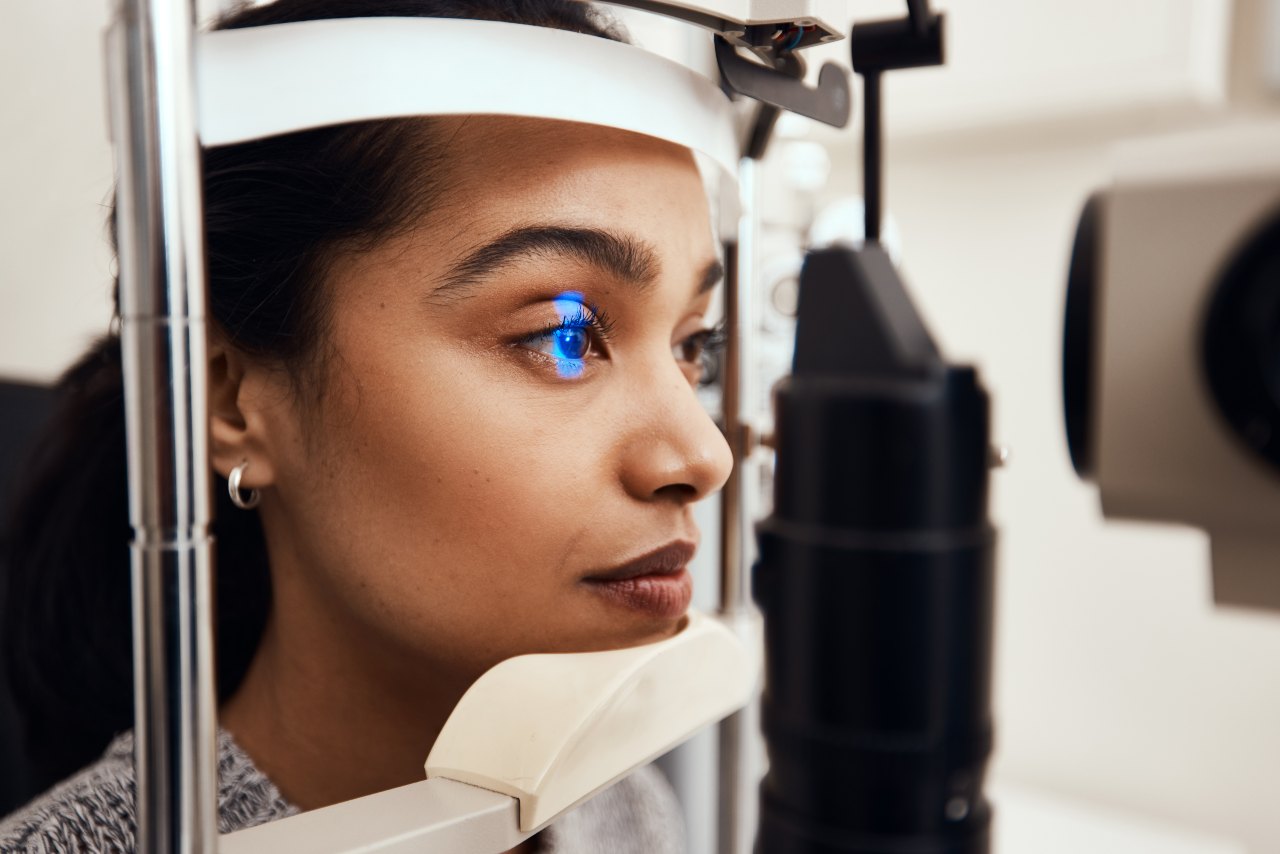
Occasional tired or dry eyes after a long day of screen use are usually not a reason for alarm. However, persistent or significant vision symptoms should not automatically be blamed on screen time.
Schedule an eye examination if you experience ongoing blurred vision, frequent headaches, difficulty focusing, changes in your vision, eye pain, or other symptoms that do not improve with rest and better screen habits.
Regular eye examinations are also important because some eye conditions can develop without noticeable symptoms in their early stages.
Your primary care provider can help you understand how your eye health fits into your overall health and can recommend an eye care professional when appropriate.
Small Changes Can Make a Big Difference
You do not have to give up your phone, computer, or favorite television shows to take better care of your eyes. Instead, build healthier screen habits.
Take regular breaks. Follow the 20-20-20 rule. Remember to blink. Keep your screen at a comfortable distance. Reduce glare. Adjust the brightness and text size. Give your eyes breaks from close-up work throughout the day.
Most importantly, watch for symptoms that persist or interfere with your everyday life.
At Innova Primary Care, we take a whole-person approach to healthcare. Eye comfort and vision are just one part of a much larger picture that includes sleep, nutrition, physical activity, chronic disease management, preventive care, and overall wellness.
If you are experiencing persistent eye discomfort, headaches, changes in vision, or other concerns, please reach out to us at Innova. Taking care of your eyes today is one more way to support your health for years to come.





 About
About About
About About
About About
About About
About About
About About
About About
About About
About About
About









 About
About