

Digestive health is about much more than avoiding an upset stomach. Your digestive system helps break down food, absorb nutrients, support your immune system, and keep your body functioning properly. One of the biggest discoveries in nutrition science over the past several years has been the importance of the gut microbiome, encompassing trillions of bacteria and other microorganisms that naturally live in your digestive tract.
While there is no shortage of products promising to “fix” your gut, the science points to a much simpler approach. A healthy digestive system is built through consistent habits, including eating a balanced diet rich in fiber, consuming foods that support beneficial bacteria, staying active, and seeking medical care when digestive symptoms persist.
At Innova Primary Care, we believe that understanding the basics of gut health empowers patients to make informed choices that support lifelong wellness.
What Is the Gut Microbiome?
Your gut microbiome is a community of microorganisms that live primarily in your large intestine. Although the word “bacteria” often has a negative reputation, many of these organisms are essential for good health. They help digest certain foods, produce vitamins, support the immune system, and protect against harmful bacteria that can make you sick.
Researchers have also found that the digestive system communicates with other parts of the body, including the brain, through what is known as the gut-brain axis. This connection helps explain why digestive health can influence overall well-being.
One of the keys to a healthy microbiome is diversity. The more variety of beneficial bacteria your gut contains, the better it can perform its many important functions.
Understanding Probiotics
Probiotics are live microorganisms that can provide health benefits when consumed in adequate amounts. They help maintain the natural balance of bacteria in the digestive tract and may be beneficial for certain digestive conditions.
Research suggests that specific probiotic strains may help reduce antibiotic-associated diarrhea, improve symptoms in some people with irritable bowel syndrome (IBS), and support recovery from certain gastrointestinal infections. However, probiotics are not a cure-all, and different strains work differently. That’s why healthcare providers recommend choosing probiotics based on scientific evidence rather than marketing claims.
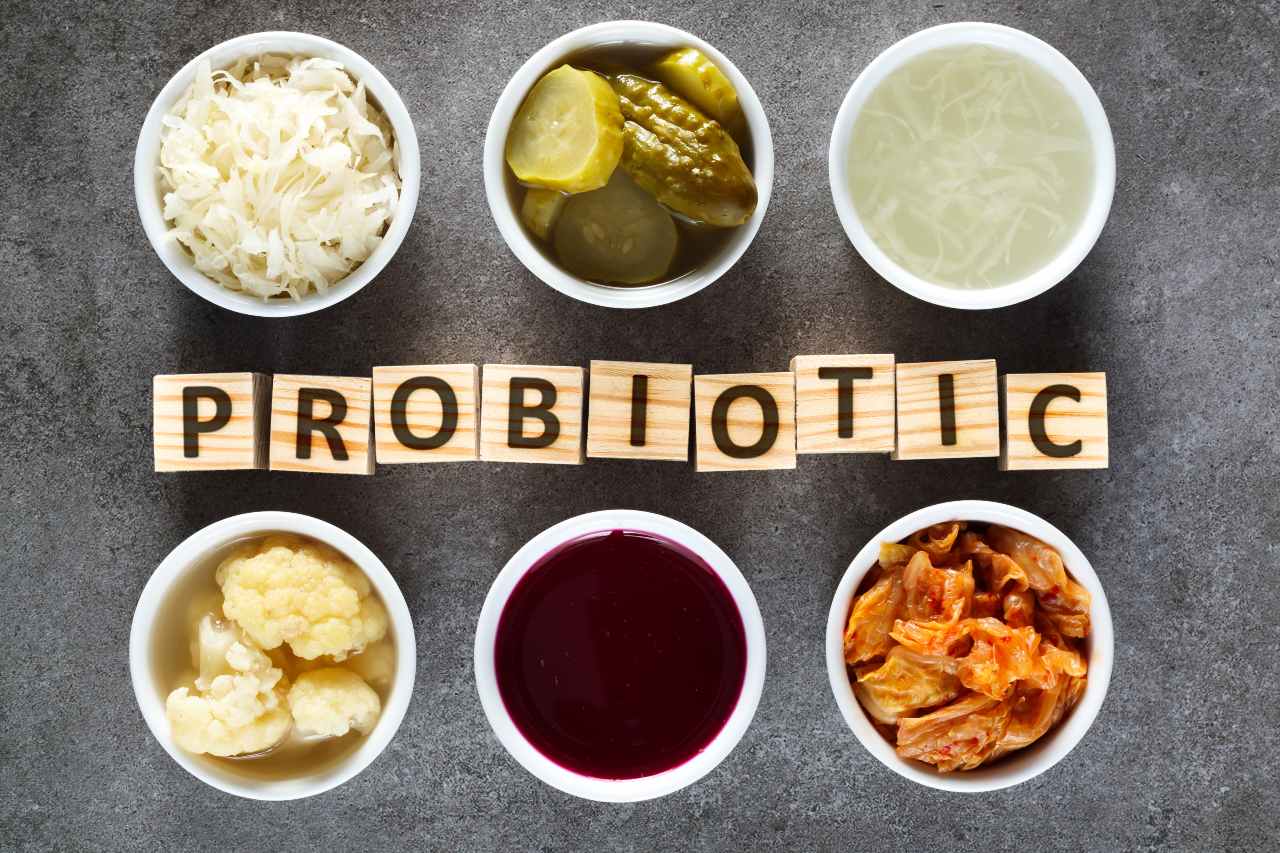
Many people can obtain probiotics naturally through food. Yogurt with live and active cultures, kefir, kimchi, kombucha, buttermilk, naturally fermented sauerkraut, miso, and tempeh all contain beneficial bacteria that can be part of a healthy diet.
Don’t Forget About Prebiotics
While probiotics often receive the most attention, prebiotics are just as important.
Prebiotics are a type of dietary fiber that feeds the beneficial bacteria already living in your digestive tract. As these bacteria digest prebiotics, they produce compounds that help support the cells lining your colon and contribute to a healthy digestive system.
Fortunately, prebiotics are found in many everyday foods. While not an exhaustive list, these foods contain prebiotics that help feed the beneficial bacteria in your gut. Garlic, onions, asparagus, bananas, oats, apples, almonds, peas, artichoke, eggplant, beans, lentils, and whole grains all provide nourishment for your gut’s beneficial bacteria.
Think of it this way: probiotics add beneficial bacteria to your digestive system, while prebiotics help those bacteria grow and thrive. Both play an important role in maintaining a healthy gut.
Build Your Diet Around Gut-Friendly Foods
Instead of searching for one “superfood,” focus on eating a variety of nutritious foods each day. Research consistently shows that diets rich in whole, minimally processed foods support a healthier gut microbiome.
Fruits and vegetables provide fiber, antioxidants, vitamins, and minerals that benefit both your digestive system and your overall health. Whole grains such as oatmeal, brown rice, and whole wheat bread add additional fiber, while beans and lentils offer both fiber and plant-based protein. Healthy fats from foods like olive oil, nuts, seeds, and avocados also contribute to a balanced eating pattern.
Fermented foods can be another valuable addition. Including yogurt, kefir, kimchi, or naturally fermented vegetables a few times each week may help introduce beneficial bacteria into the digestive tract.
At the same time, it’s wise to limit foods that are heavily processed or high in added sugars. These foods often replace the fiber-rich foods that beneficial gut bacteria rely on. You don’t have to eliminate your favorite treats, but choosing whole foods most of the time can make a meaningful difference in digestive health.
Why Fiber Deserves Special Attention
Fiber is one of the most important nutrients for digestive health, yet many adults don’t get enough of it. In addition to helping maintain regular bowel movements, fiber serves as fuel for beneficial gut bacteria.
Increasing your intake of fruits, vegetables, whole grains, legumes, nuts, and seeds is one of the easiest ways to improve digestive health. If you’re not used to eating a high-fiber diet, increase your intake gradually and drink plenty of water to help your digestive system adjust comfortably.
Do You Need a Probiotic Supplement?
Many probiotic supplements are available today, but they are not necessary for everyone.
Some people may benefit from probiotics after taking antibiotics or when managing certain digestive conditions. However, supplements vary widely in quality and the types of bacteria they contain. Not every product has been studied for the same health benefits.
If you’re considering a probiotic supplement, talk with your healthcare provider first. They can help determine whether one is appropriate for your situation and recommend products supported by clinical research.
For many healthy adults, a balanced diet that includes fiber-rich and fermented foods may be all that’s needed to support a healthy gut.

Healthy Habits Beyond Your Plate
Diet is only one piece of digestive health. Regular physical activity has been associated with a healthier gut microbiome and supports normal digestion. Getting enough sleep and managing stress are equally important.
Chronic stress can affect the digestive system through the gut-brain connection, contributing to symptoms such as bloating, abdominal discomfort, and changes in bowel habits. Finding healthy ways to reduce stress, whether through exercise, time outdoors, mindfulness, or hobbies you enjoy, can benefit both your digestive health and your overall well-being.
Staying hydrated also supports healthy digestion and helps fiber work effectively.
When Should You See a Healthcare Provider?
Occasional digestive discomfort is normal, but persistent symptoms should never be ignored. If you experience ongoing abdominal pain, frequent diarrhea or constipation, blood in your stool, unexplained weight loss, severe heartburn, difficulty swallowing, or digestive symptoms that interfere with your daily life, it’s important to schedule an evaluation.
Many digestive conditions can be successfully treated once the underlying cause is identified. Early evaluation often leads to better outcomes and greater peace of mind.
Partner with Innova Primary Care
Supporting your digestive health doesn’t require expensive supplements or restrictive diets. The best scientific evidence continues to support a simple approach: eat a variety of fiber-rich foods, include prebiotic and probiotic foods in your diet, stay physically active, manage stress, and seek medical care when symptoms don’t improve.
At Innova Primary Care, we’re committed to helping our patients achieve better health through preventive care and personalized guidance. Whether you’re experiencing digestive concerns or simply want to improve your overall wellness, our providers can help you develop a plan that fits your lifestyle and your health goals.
Healthy digestion starts with healthy habits, and small, consistent choices today can have a lasting impact on your well-being for years to come. If you have questions or concerns about your digestive health, please reach out to us at Innova Primary Care. We want to partner with you to ensure your needs are met with compassionate, whole-person care.





 About
About About
About About
About About
About About
About About
About About
About About
About About
About About
About









 About
About