
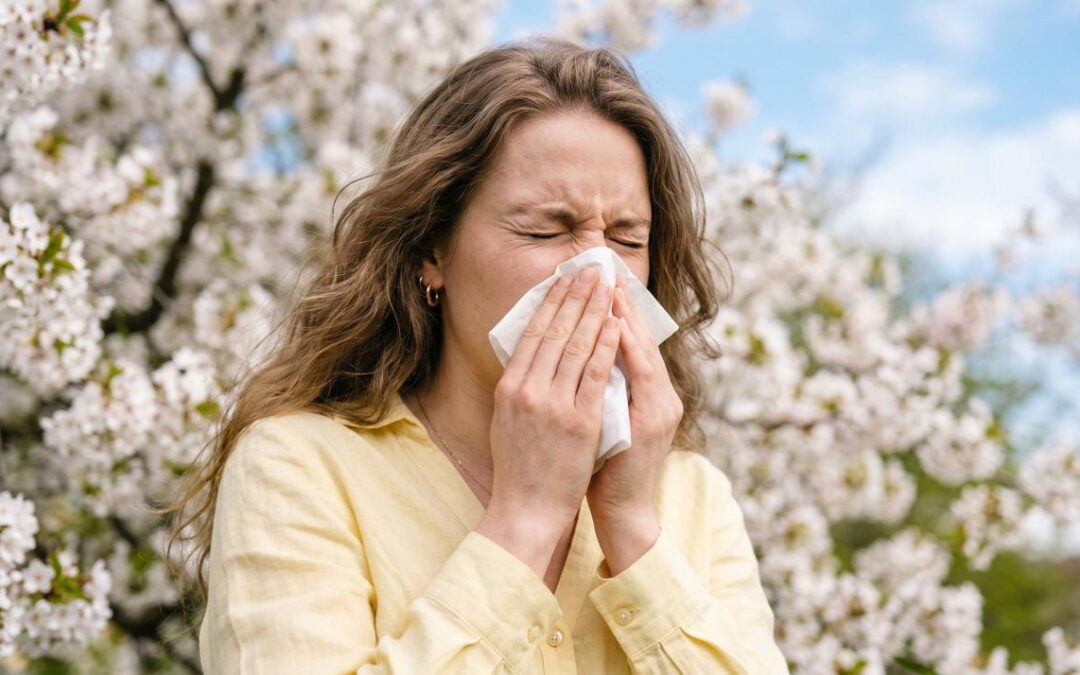
If you live in Huntsville or Madison, Alabama, you already know that allergy season is not just a short inconvenience. It is a year-round cycle that shifts with the seasons and often peaks when you least expect it. At Innova Primary Care, we see firsthand how seasonal allergies can impact daily life, from sleep disruption to fatigue and reduced quality of life. The good news is that with the right strategies, you can manage symptoms and feel better no matter what the pollen count looks like outside.
Understanding Seasonal Allergies in North Alabama
Seasonal allergies, also called allergic rhinitis or hay fever, occur when your immune system overreacts to airborne substances like pollen. In North Alabama, our warm climate and long growing seasons mean allergens are present most of the year.
Each season brings its own triggers. Spring is known for tree pollen, especially from oak, cedar, and birch. Fall is dominated by ragweed, one of the most potent allergens in the region. But summer, where we are now, often surprises people. Grass pollen becomes the primary culprit, and it can be just as intense as spring and fall triggers.
Because Huntsville and Madison are surrounded by green spaces, trails, and rapidly growing vegetation, exposure is often higher than in more urban areas. That makes understanding seasonal patterns especially important for managing symptoms effectively.
Why Summer Allergies Can Be So Challenging
Many people assume allergy season ends after spring, but summer can be just as difficult. Grass pollen peaks in late spring and early summer, but levels often remain elevated through July and even into August, depending on rainfall and temperature patterns.
In Alabama, warm temperatures and humidity create the perfect environment for grasses like Bermuda, Timothy, and Kentucky bluegrass to thrive. These grasses release pollen that easily becomes airborne, especially on hot, dry, and breezy days.
Summer also brings an added layer of complexity. Mold spores increase due to humidity, particularly after rainstorms. If you notice symptoms worsening after mowing the lawn or being outdoors in the evening, you are likely reacting to a mix of grass pollen and mold.
Symptoms during summer allergies can include sneezing, nasal congestion, itchy eyes, sinus pressure, fatigue, and even headaches. For many patients, these symptoms interfere with outdoor activities, exercise routines, and overall energy levels.

Simple Daily Strategies to Reduce Pollen Exposure
Managing allergies starts with reducing your exposure. While you cannot avoid pollen entirely, small daily habits can make a big difference.
Try to stay indoors during peak pollen times, which are usually early morning and late afternoon. If you enjoy outdoor walks or running, aim for midday or after a heavy rain when pollen levels are lower.
When you come inside, change clothes and wash your hands and face. Pollen sticks to clothing, skin, and hair, so this simple step helps prevent it from spreading throughout your home.
Keep windows closed on high-pollen days, even if the weather is nice. Use air conditioning with a clean filter to help circulate and filter indoor air.
If you spend time outdoors, especially gardening or mowing, consider wearing sunglasses or a hat to keep pollen out of your eyes and hair. Showering before bed is another effective way to remove allergens and improve sleep quality.
Medications That Can Help You Feel Better
For many people in Huntsville and Madison, lifestyle changes alone are not enough. Over-the-counter and prescription medications can play an important role in managing symptoms.
Antihistamines help reduce sneezing, itching, and runny nose. Newer options tend to cause less drowsiness and are safe for daily use during peak allergy seasons.
Nasal corticosteroid sprays are one of the most effective treatments for reducing inflammation in the nasal passages. They work best when used consistently, not just when symptoms flare up.
Decongestants can provide short-term relief for nasal congestion, but they should be used carefully and not for extended periods without medical guidance.
At Innova Primary Care, we work with patients to create personalized treatment plans. What works for one person may not work for another, especially when multiple allergens are involved.
The Role of Allergy Testing and Long-Term Treatment
If your symptoms persist despite over-the-counter treatments, it may be time to look deeper. Allergy testing can identify exactly what you are reacting to, whether it is specific grasses, molds, or other environmental triggers. We can help you determine whether or not more extensive allergy testing is required and set you up with an allergist who can assist you further.
Once triggers are identified, treatment can be more targeted. For some patients, immunotherapy, often referred to as allergy shots, can be a game-changer. This long-term treatment helps your immune system become less sensitive to allergens.
While allergy shots require commitment, many patients experience significant relief and reduced medication use after completing treatment.
Supporting Your Body During Allergy Season
Allergy management is not just about avoiding triggers and taking medications. Supporting your overall health can make a noticeable difference in how your body responds.
Staying well hydrated helps thin mucus and reduce congestion. A balanced diet rich in fruits and vegetables provides antioxidants that support immune health.
Regular exercise is beneficial, but during peak pollen times, consider indoor workouts or adjust your schedule to avoid high-exposure periods. Since many patients in our area enjoy running and other outdoor fitness activities, strategically timing your workouts can help you stay active without worsening symptoms.
Sleep is another critical factor. Allergies often disrupt sleep, leading to fatigue and reduced resilience. Keeping your bedroom allergen-free by washing bedding regularly and using air purifiers can help improve rest.
When to Seek Medical Care
Seasonal allergies can range from mild to severe. If your symptoms are interfering with your daily life, affecting your sleep, or not improving with over-the-counter treatments, it is time to seek care.
You should also seek medical attention if you experience frequent sinus infections, persistent headaches, or breathing difficulties. Allergies can sometimes trigger or worsen asthma, especially during high pollen seasons.
At Innova Primary Care, we take a comprehensive approach to allergy management. Our team understands the unique environmental factors in Huntsville and Madison and works closely with patients to develop effective, personalized care plans.

Finding Relief in Every Season
Living in North Alabama means enjoying beautiful green landscapes, vibrant seasons, and plenty of outdoor activities. While seasonal allergies are a common challenge, they do not have to control your life.
By understanding how pollen changes throughout the year, especially during the summer months, and taking proactive steps to reduce exposure and manage symptoms, you can feel better and stay active.
If allergies are holding you back, our team at Innova Primary Care is here to help you find lasting relief. With the right combination of prevention, treatment, and support, you can breathe easier and enjoy everything our community has to offer. If you are looking for lasting relief from pollen here in North Alabama, which can be very challenging, please reach out to us at Innova Primary Care. We want to see you well!




 About
About About
About About
About About
About About
About About
About About
About About
About About
About About
About








 About
About