
When it comes to protecting your heart, what you eat each day plays a powerful role. Cholesterol is often misunderstood, and many people assume it’s something you simply need to avoid altogether. In reality, your body needs cholesterol to function. The goal isn’t to eliminate it, it’s to maintain a healthy balance.
At Innova Primary Care, we focus on prevention and long-term wellness. A heart-healthy diet is one of the most effective and natural ways to lower cholesterol, reduce inflammation, and decrease your risk of heart disease.
Understanding Cholesterol: The Good vs. The Bad
Cholesterol is a waxy substance found in your bloodstream. Your liver produces it naturally, and you also get it from certain foods. There are two main types that impact your health:
LDL (Low-Density Lipoprotein) in and of itself is not bad. However, too much of it is leading to what is commonly referred to as “bad” cholesterol. When LDL levels are too high, cholesterol can build up along the walls of your arteries, forming plaque. Over time, this narrows the arteries and restricts blood flow, increasing the risk of heart attack and stroke.
HDL (High-Density Lipoprotein) is known as “good” cholesterol. It helps remove excess cholesterol from the bloodstream and transports it back to the liver, where it can be processed and eliminated. Higher HDL levels are associated with a lower risk of heart disease.
Rather than focusing on cholesterol as a whole, it’s more helpful to think in terms of balance: lowering LDL while supporting healthy HDL levels. We need both LDL and HDL, but they must work in harmony. If your LDL levels are too high, nutrition can help lower them. Conversely, healthy food and lifestyle choices can boost your HDL levels, helping your body function optimally.
Why Lowering Cholesterol Matters
High cholesterol is often called a “silent condition” because it usually doesn’t cause noticeable symptoms. Many people feel completely fine until a serious event, like a heart attack or stroke, occurs.
Over time, elevated LDL cholesterol contributes to plaque buildup in the arteries, a condition known as atherosclerosis. This can lead to:
- Heart disease
- Stroke
- Peripheral artery disease
The encouraging news is that cholesterol levels are highly responsive to lifestyle changes. Even modest improvements through diet and activity can significantly reduce your long-term risk.
Building a Heart-Healthy Diet
Your daily food choices directly influence your cholesterol levels. A heart-healthy diet is not about restriction; it’s about choosing foods that actively support your cardiovascular system.
Understanding Fats: Choosing the Right Ones
Fats are one of the most misunderstood aspects of nutrition. While some fats can raise cholesterol levels, others can actually lower them.
Limit unhealthy fats.
Saturated fats, found in red meat, butter, and full-fat dairy products, can raise LDL cholesterol when consumed in excess. Trans fats, often found in fried foods and packaged snacks, are even more harmful because they raise LDL while lowering HDL. These should be avoided whenever possible.
Choose heart-healthy fats.
Unsaturated fats can help improve your cholesterol profile.
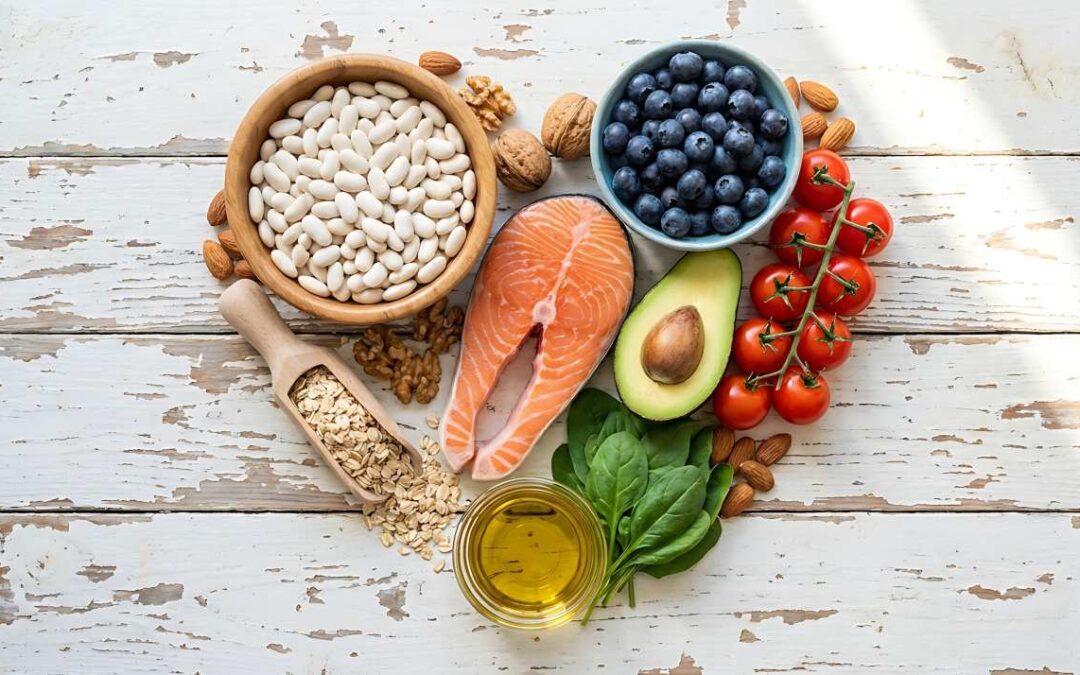
- Monounsaturated fats (olive oil, avocados, nuts) help lower LDL
- Polyunsaturated fats, especially omega-3 fatty acids (fatty fish such as salmon, walnuts, flaxseeds), support heart health and reduce inflammation
A helpful approach is to focus on simple swaps: use olive oil instead of butter, choose fish a few times per week instead of red meat, and reach for nuts instead of processed snacks.
Foods That Help Lower Cholesterol
Incorporating the right foods into your diet can make a meaningful difference in your cholesterol levels.
Fiber-rich foods
Soluble fiber binds to cholesterol in the digestive system and helps remove it from the body.
Foods like oats, beans, lentils, apples, and flaxseeds are excellent sources.
Healthy fats
Foods rich in unsaturated fats help reduce LDL and support HDL.
Examples include avocados, olive oil, nuts, seeds, and fatty fish.
Plant-based proteins
Replacing some animal proteins with plant-based options can lower cholesterol intake and increase fiber. For example, try beans, lentils, tofu, and quinoa for plant-based proteins that help support healthy cholesterol levels.
Fruits and vegetables
These provide antioxidants, fiber, and nutrients that support heart health. Aim to fill half your plate with a variety of colorful options.
Whole grains
Whole grains retain more fiber and nutrients than refined grains, helping support stable blood sugar and heart health.
Choose brown rice, whole wheat bread, oats, quinoa, and barley.
Foods to Limit or Avoid
Just as important as what you add to your diet is what you reduce. Certain foods can raise LDL cholesterol and contribute to inflammation:
- Red and processed meats
- Full-fat dairy products
- Fried and highly processed foods
- Baked goods made with trans fats
- Sugary drinks and refined carbohydrates
Being mindful of these foods doesn’t mean eliminating them completely, but limiting them can have a significant impact.
Small Changes, Big Impact
Improving your heart health doesn’t require a complete lifestyle overhaul. Small, consistent changes are often the most sustainable.
- Cook with olive oil instead of butter
- Add vegetables to every meal
- Choose whole grains over refined grains
- Snack on fruit, nuts, or yogurt instead of processed foods
- Plan meals ahead to avoid last-minute unhealthy choices
These habits, when practiced consistently, can lead to meaningful improvements in your cholesterol levels.

A Whole-Person Approach to Heart Health
While nutrition is foundational, it’s just one piece of the puzzle. At Innova Primary Care, we encourage a comprehensive approach to heart health that includes:
- Regular physical activity
- Maintaining a healthy weight
- Managing stress
- Getting adequate sleep
- Avoiding smoking
Routine wellness visits are essential for monitoring your cholesterol levels and overall health. Knowing your numbers allows you to take proactive steps before problems develop.
When to Talk to Your Healthcare Provider
If you have high cholesterol, a family history of heart disease, or other risk factors, it’s important to work closely with your healthcare provider.
Diet and lifestyle changes are often the first step, but in some cases, medication may also be recommended. The goal is to create a personalized plan that fits your needs and supports long-term success.
At Innova Primary Care, we partner with you to develop realistic, sustainable strategies for improving your heart health.
The Bottom Line
Lowering your cholesterol naturally is not about strict diets or perfection. It’s about making informed, consistent choices that support your overall health.
By focusing on whole, nutrient-rich foods, choosing healthy fats, increasing fiber, and limiting harmful ingredients, you can take meaningful steps toward a healthier heart.
Your heart works hard for you every day. With the right nutrition and support, you can help it keep doing its job for years to come.





 About
About About
About About
About About
About About
About About
About About
About About
About About
About About
About









 About
About